What it means for their life and yours
When Mobility Changes… Everything Feels Different
You start to notice the small things first.
They hesitate before getting up.
Walks get shorter.
There’s a look, one you can’t quite explain, but you feel it.
And suddenly, you’re helping them do things they’ve always done on their own.
That’s usually when the question comes:
“Am I doing enough… or is this just how it is now?”
Here’s the truth:
It doesn’t have to be.
A Quiet Evolution in Care
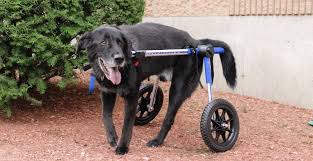
Canine wheelchairs aren’t new but how we think about them has changed.
First introduced in 1961 by veterinary surgeon Dr. Lincoln Parkes, these devices were once seen as a last resort.
Today, they’re something very different.
They’re part of a proactive, compassionate approach to helping dogs stay engaged in life—not just exist in it.
At Stride, we don’t see wheelchairs as giving up.
We see them as opening something back up.
What a Wheelchair Can Give Back
When the right support is introduced, the shift can be remarkable, not just physically, but emotionally.
For your dog:
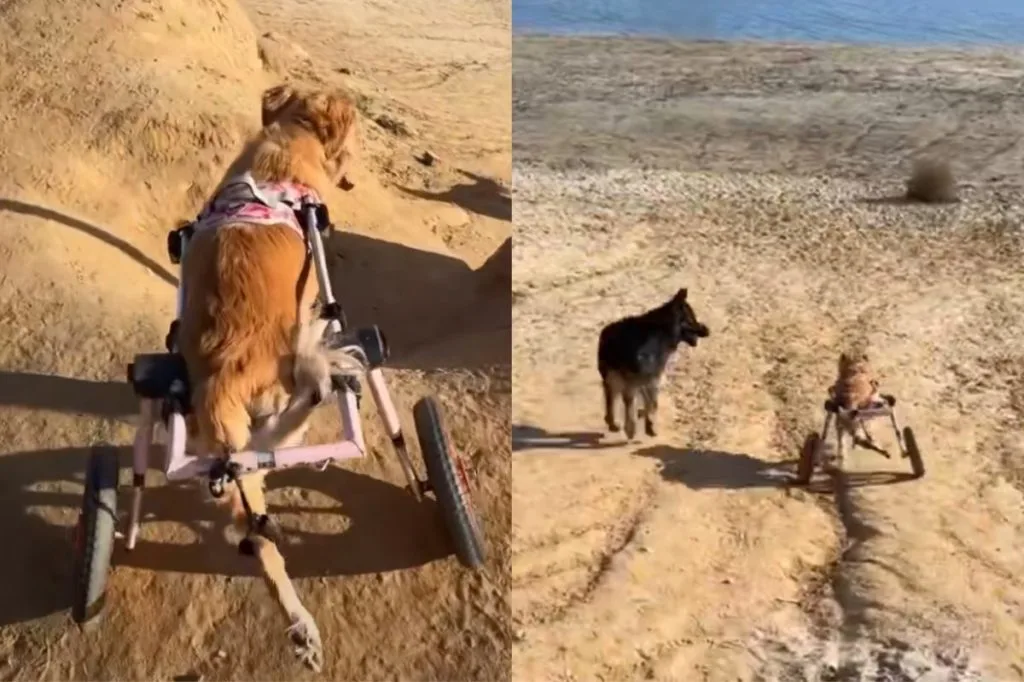
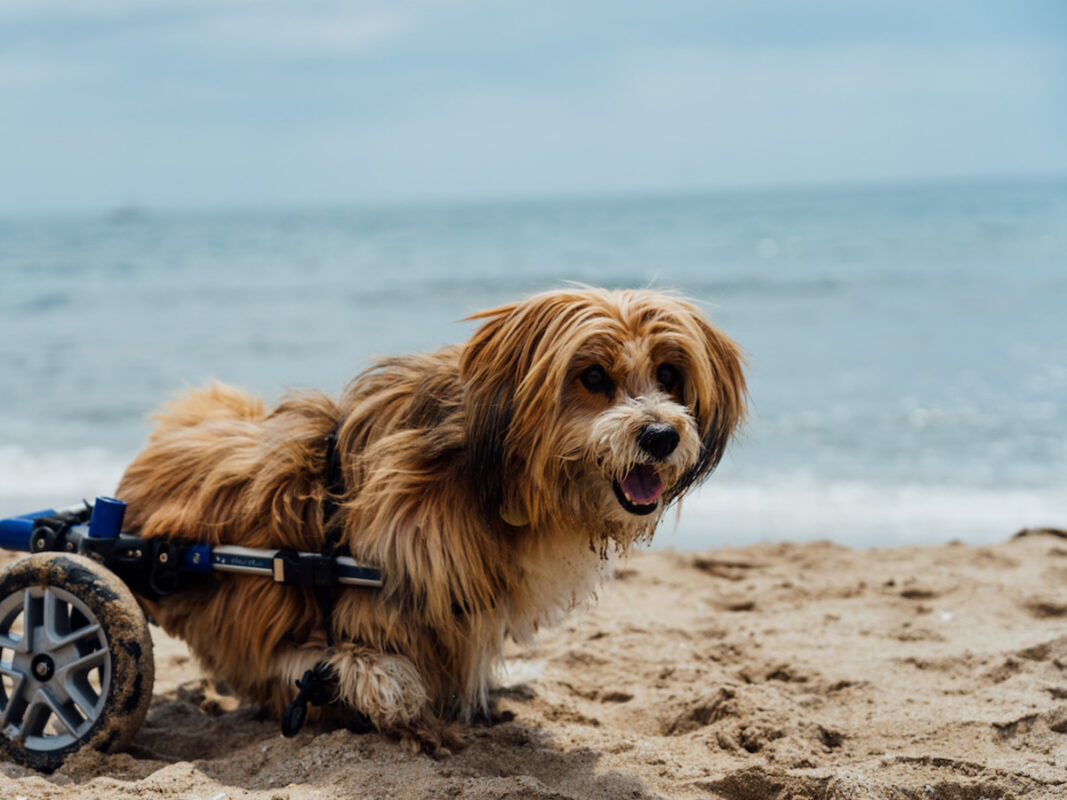
- Longer, more enjoyable walks
- Less pain from overcompensating
- Renewed curiosity and play
- Better balance and strength
- Improved rest and recovery
- The ability to relieve themselves comfortably
For you:
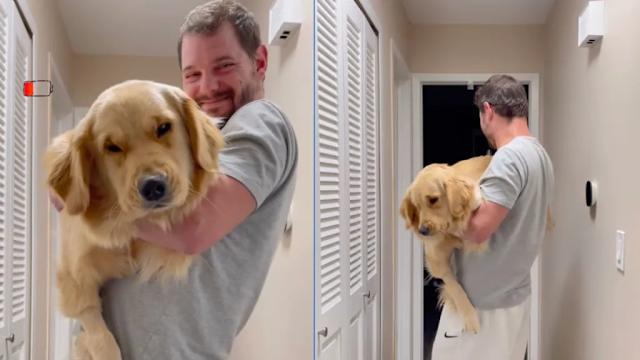
- Relief from constant worry
- Less physical strain from lifting and assisting
- The joy of seeing them again, their personality, their spark
Because what most people miss is this:
Mobility isn’t just movement. It’s identity.
How Do You Know If It’s Time?
This is where many loving owners wait too long. Not because they don’t care, but because they’re hoping things will turn around.
Here are some signs to pay attention to:
- They can’t stand on their own for at least 10 seconds
- They lose balance, trip, or fall frequently
- Their toenails are scuffed or bleeding from dragging
- Walks become shorter or they stop wanting to go
- You’re stepping in more and more to help them
If you’re noticing these things, your dog is already working harder than they should be.
Support doesn’t mean giving up.
It means stepping in sooner so they don’t have to struggle.

Dogs Who Commonly Benefit
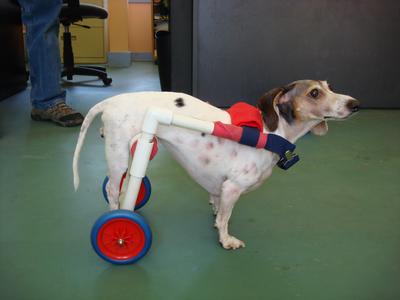
Neurological Conditions
Dogs with partial or full paralysis from:
- Spinal cord injuries
- Intervertebral disc disease (IVDD)
- Degenerative conditions
- Peripheral nerve disorders
These dogs often want to move. They just need support to do it safely.
Pain & Aging
Chronic pain can quietly take away your dog’s desire to engage.
But when you combine:
- Pain management
- Rehabilitation
- And mobility support
You often see something beautiful:
they start choosing life again.
Amputation (Tripawed Dogs)
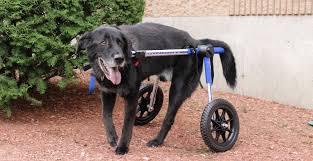
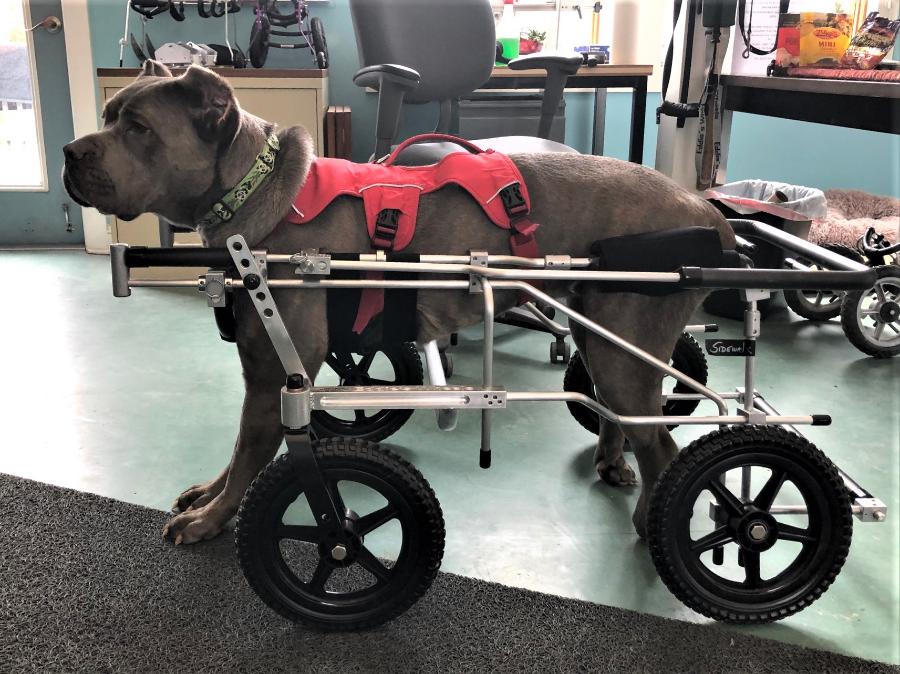
Tripawed dogs are incredible adapters, but over time, that compensation can take a toll.
If your dog is slowing down, a wheelchair can:
- Reduce strain on remaining limbs
- Prevent long-term injury
- Extend their independence
The Questions Every Owner Asks (And Should)
“Will this make my dog weaker?”
No. In fact, we often see improved stamina and strength because dogs can move more without pain.
“Will my dog even use it?”
Most dogs adapt faster than their humans.
Movement is motivating.
When it feels good, they lean in.
“Will they be able to go to the bathroom?”
Yes! Most dogs figure this out quickly and naturally.
“Can they use it inside?”
Yes, with a short learning curve (and maybe a few bumped chair legs along the way).
“Are there situations where it won’t work?”
The main limitation is steep terrain, as most wheelchairs don’t yet have braking systems.
Choosing the Right Wheelchair
There isn’t a one-size-fits-all answer.
The right fit depends on:
- Your dog’s condition
- Size and breed
- Lifestyle
- Your goals for their quality of life
And this part matters more than people think.
A poorly fitted wheelchair can create frustration.
A well-fitted one can create freedom.
Where to Start
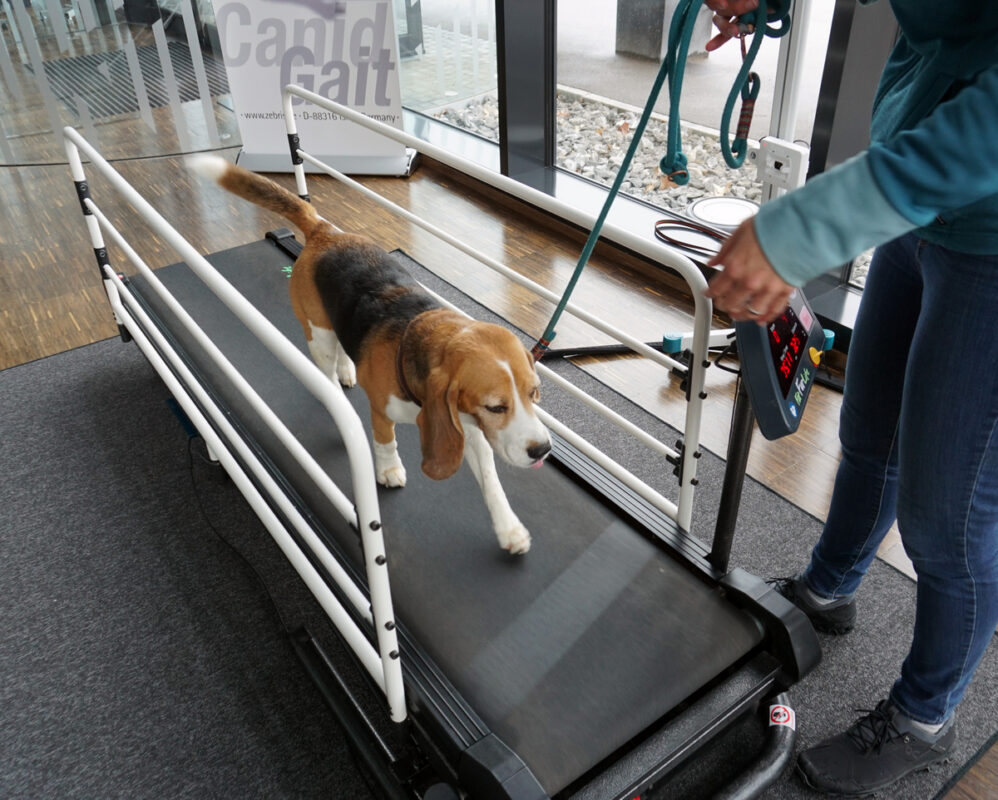
Start with a rehabilitation professional.
At Stride, that process includes:
- Accurate measurements
- Functional and gait assessment
- Thoughtful recommendations based on your dog’s life, not just their diagnosis
- Guided fitting and support as your dog learns
Because this isn’t just about equipment.
It’s about giving both of you a path forward that feels hopeful again.
A Final Thought
If you’re here, you’re paying attention.
You’re noticing the changes.
You care deeply.
That already makes you a great dog parent.
A wheelchair doesn’t mean your dog’s world is getting smaller.
It means you’re finding a way to keep it open.